
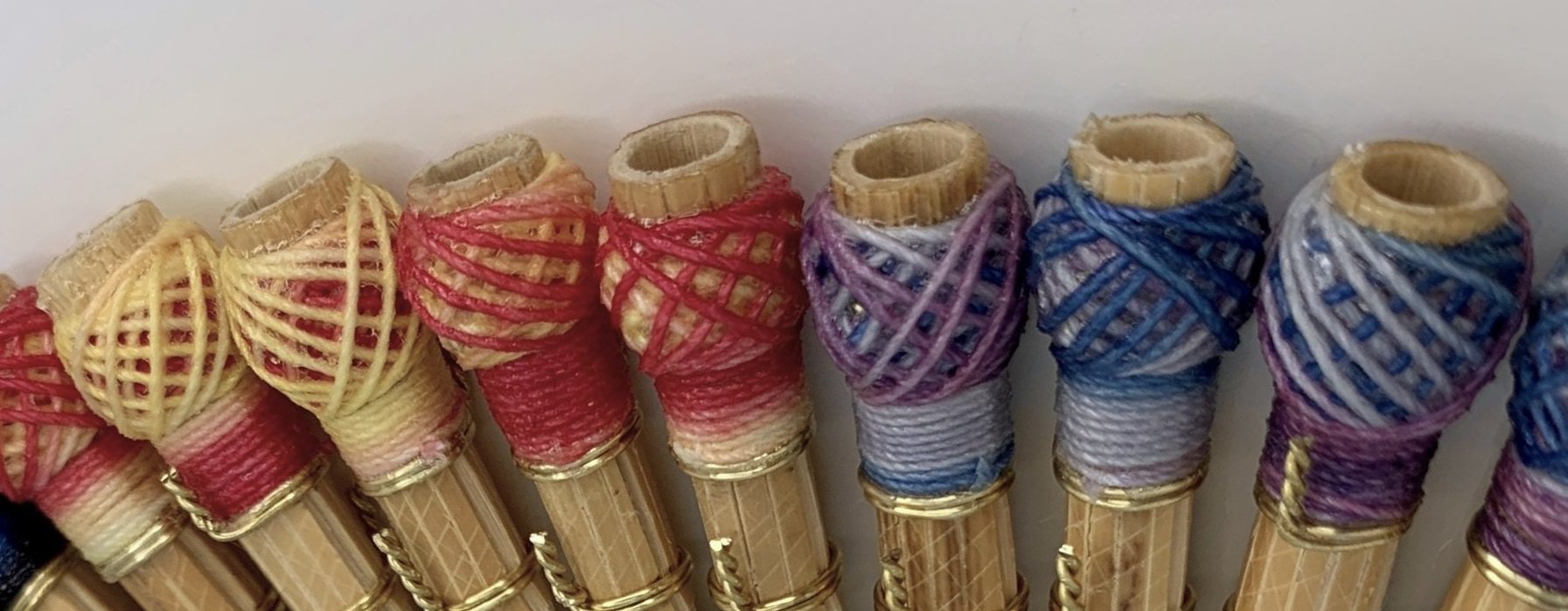
Frequently asked questions
Q: There are no reeds in stock. Why?
A: I apologize for the inventory being low. Reedcrest reeds are highly sought after, so the inventory sells quickly. If you need a reed immediately, please look at the following businesses in which I wholesale. Midwest Musical Imports, Chemical City Reeds, and Reed Supplies Canada. Lastly, please consider signing up for a restock alert or reach out to the owner via the contact form.
Q: My shipment says delivered, but I didn’t receive it. What do I do?
A: I’m sorry to hear that happened. Please refer to the Policies tab to see Reedcrest’s shipping policy.
Q: How long does a reed last?
A: The life of a bassoon reed can vary due to factors such as frequency of playing, storage, maintenance, and rotation. I recommend having at least three reeds to rotate while you play. This ensures an even wear across the reeds and drastically increases the life of the reed. Reeds should be stored in a reed case with ventilation holes. A damp environment promotes mold and severely compromises the playability of the reed. As a reed ages, it is recommended to complete a maintenance scrape. This scrape will be covered in more detail at a later time. If you feel your reed could use a maintenance scrape, reach out and I can share the process. With such ideas in mind, a single reed that is being rotated can last about 4 - 6 months, assuming it’s played about 3 times a week. A single reed that is being heavily played can last about 2 - 3 months depending on storage conditions.
Q: When should I replace my bassoon reed?
A: A bassoon reed should be replaced when it is no longer playing to the demand needed. As a reed ages, the fibers begin to degrade, which can cause a tight, pinched, or muffled sound. Additionally, when a reed is cycled between a soaked stage and a dry stage, the reed naturally shrinks slightly. This can cause the ream (the internal openness of the tube) to shrink. This causes a reed to not fit on the bocal and can cause the pitch to be flat. Any reeds that show mold growth should be considered for replacement. Lastly, old reeds tend to have trouble articulating clearly and quickly and struggle to play the entire range of the bassoon in-tune or at all, depending on age.
Q: Can you make reeds to my specifications?
A: Most likely, I cannot make reeds to your specifications due to order volume and Reedcrest’s batch finishing process. However, some adjustments could be accepted. Send an email with what specifications you are looking for, and we can discuss the possibility.
Q: Is every reed tested?
A: Yes. Every reed that is sold by Reedcrest has been play-tested at least five times before being eligible for shipment. This allows the owner ample time to observe the reed as it ages and select for the best quality reeds to sell.
Q: Could a reed need adjustment after arrival?
A: Yes, it is entirely possible that your reed could use a slight adjustment. Factors such as shipping conditions, climate, and individual qualities related to embouchure or playing style could influence the state of your reed. The owner takes every effort to ensure that your reed is ready to play right out of the box. Currently, the owner is in the process of developing a more extensive break-in and adjustment sheet for customers. If you feel that your reed needs some adjustment, please reach out via email, and we can discuss the options.
Has your question not been addressed here? Fill out the contact form for further help.